How to Tell if a Disposable Vape is Burnt: Spotting the Signs Early
Contents
- Key Takeaways
- Identifying Burnt Disposable Vapes
- Recognizing the Taste of a Burnt Hit
- Understanding the Smell and Flavor Changes
- Assessing the Vape Juice and Wick Condition
- Understanding Vape Device Mechanisms
- How the Coil and Wick Work
- Battery and Voltage Considerations
- Troubleshooting and Maintenance
- Dealing with Overheating and Burnt Hits
- Maximizing the Puff Count and Vape Lifespan
- Alternatives and Safety
- Choosing Refillable Devices or Other Vaping Alternatives
- Understanding the Health Implications of a Burnt Vape
- Frequently Asked Questions
- What are the signs that a disposable vape has a burnt coil?
- Are there health risks associated with using a burnt disposable vape?
- What steps should I take if my disposable vape has a burnt taste?
- Sources
Disposable vapes have become a popular choice for those seeking a convenient alternative to traditional smoking. However, a common issue many users face is determining when their vape is burnt out.
The experience of inhaling from a burnt disposable vape can be unpleasant, often characterized by a harsh, charred taste. It’s a sign that the e-liquid in the vape has been depleted or that the heating element has deteriorated.
To tell if your disposable vape is burnt, pay attention to the flavor and the amount of vapor it produces. A burnt taste is the most definitive indicator that your vape is no longer functioning properly.
Disposables are for adults who smoke, not for non-smokers. Note that most disposables sold in the U.S. are not on the FDA's authorized list, and the UK banned single-use vapes from 1 June 2025.
Key Takeaways
- A burnt taste and diminished vapor indicate a burnt disposable vape.
- Chain vaping and running the device nearly empty are the main causes.
- A burnt disposable can't be fixed; stop using it and dispose of it safely.
Identifying Burnt Disposable Vapes
When using a disposable vape, detecting a burnt hit is crucial to ensure a pleasant vaping experience. Pay attention to the taste, smell, and condition of the vape juice and wick.
Recognizing the Taste of a Burnt Hit
If you encounter a harsh and unpleasant taste upon inhaling, it’s likely your disposable vape has a burnt hit. This burnt taste is distinctive, often described as akin to charred paper or a smoky flavor. When the wick inside your disposable vape dries out, it may char when heated, leading to this burnt taste.
Understanding the Smell and Flavor Changes
Pay close attention to both the smell and flavor of your vape. A burnt disposable vape often emits a noticeably burnt smell, which can be compared to the scent of burnt toast or an overheated electrical appliance.
Additionally, you’ll find an accompanying deterioration in flavor, with the usual vape flavor profiles being overwhelmed by a burnt flavor.
Assessing the Vape Juice and Wick Condition
Finally, check the e-liquid level if your disposable has a clear window. If the liquid is low, the wick may not be adequately saturated, increasing the risk of a burnt hit.
You can't see the wick in most disposables without opening the device, which we don't recommend because of the battery and nicotine inside.
Understanding Vape Device Mechanisms
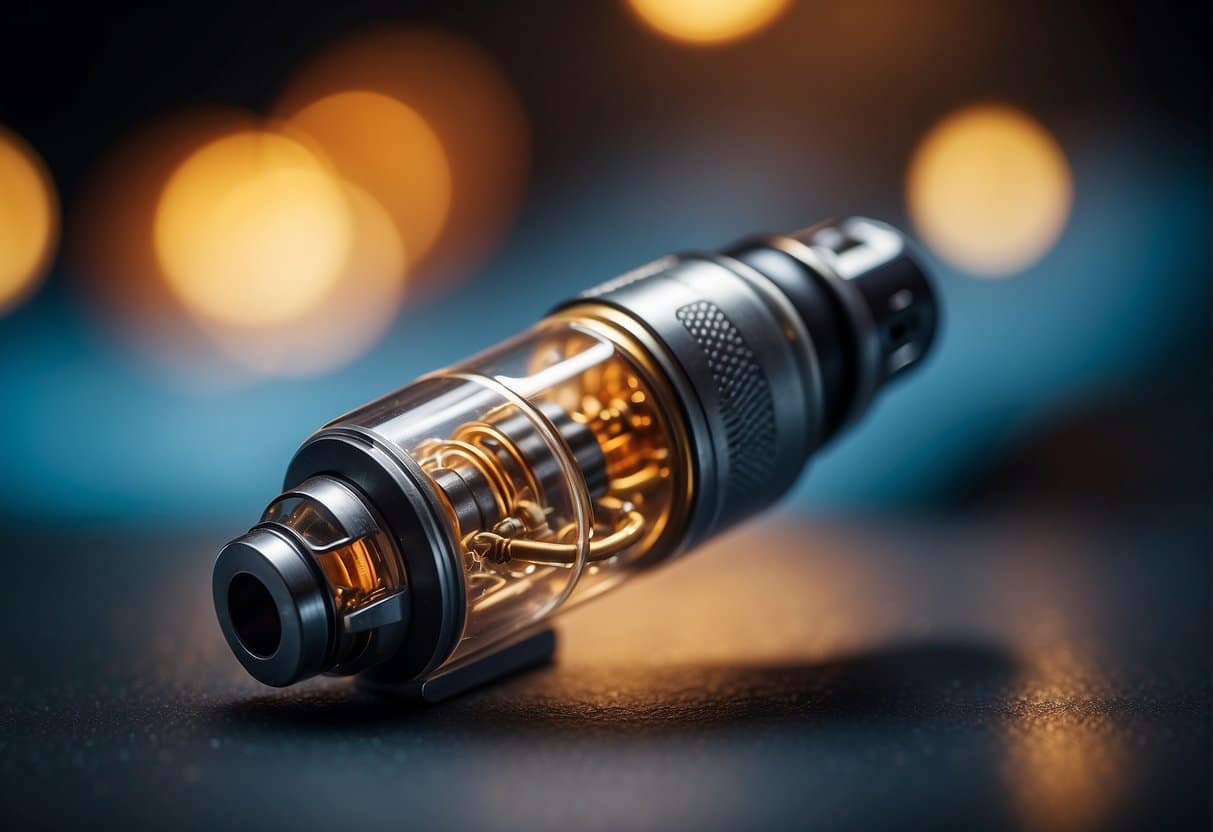
To assess whether a disposable vape is burnt, you must understand its key components and how they function. This understanding is crucial for identifying issues that affect your vaping experience.
How the Coil and Wick Work
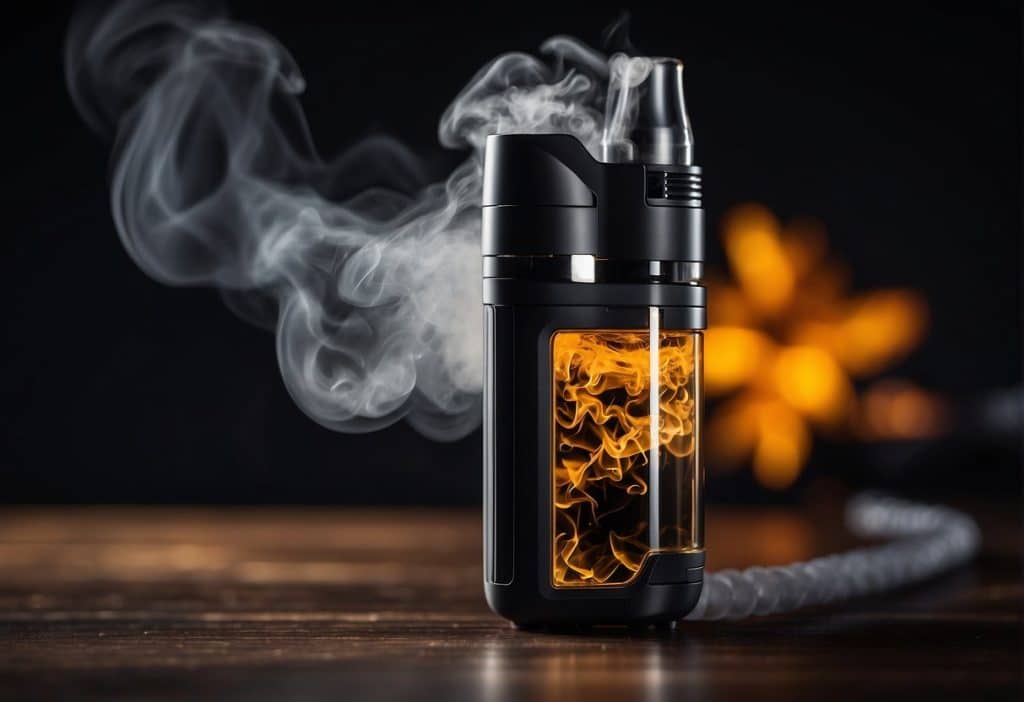
The coil in your disposable vape is the heating element responsible for vaporizing the e-liquid. It’s typically made of a metal heating wire.
Surrounding the coil is the wick, usually made of cotton, which absorbs the e-liquid. When you activate your vape, electricity from the battery heats the coil, which in turn vaporizes the e-liquid contained in the wick.
If the wick is dry or the coil is degraded, it may cause a burnt taste.
- Coil: Metal wire
- Wick: Cotton or similar material
- Function: Vaporization of e-liquid
- Overheat Risk: High with dry wick or damaged coil
Battery and Voltage Considerations
Your disposable vape’s battery supplies power to the coil. The voltage applied to the coil determines the temperature reached during operation.
A higher voltage can cause the coil to overheat, which increases the risk of a burnt taste. Maintaining optimal battery life is essential as a weak battery might not provide adequate power, leading to insufficient heating and a poor vaping experience.
- Voltage: Determines coil temperature
- Battery Life: Crucial for proper operation
- Overheating: Potential with excessive voltage
- Atomizer: Includes coil and ensures proper heating
Consistent performance relies on balanced interactions between these mechanisms. If any element is compromised, you may notice a drop in quality or a burnt flavor in your vape.
Troubleshooting and Maintenance
In managing disposable vapes, your focus should be on preventing burnt hits and overheating, all while ensuring maximum puff count and extended vape lifespan. Proper maintenance and a few simple troubleshooting steps can help you achieve a consistent vape experience.
Dealing with Overheating and Burnt Hits
If you encounter burnt hits or a taste that seems charred, it’s likely that the wick inside your disposable vape has overheated and may be dry. Overheating can occur due to multiple factors, including:
- Chain Vaping: To prevent overheating, avoid taking consecutive hits without pause. Allow time for the wick to re-saturate with vape juice.
- Rest Periods: If you notice a slightly dry hit, set the device down for a few minutes so the wick can soak up more liquid. On draw-activated disposables every puff fires the coil, so "primer puffs" don't work.
- Battery Life: A near-depleted battery gives weak, thin vapor rather than a burnt taste. Recharge it if the model has a charging port.
Maximizing the Puff Count and Vape Lifespan
To ensure you get the maximum number of puffs from your disposable vape, consider the following:
- Vapor Production: Each device is designed for a specific puff count, which correlates with the volume of vapor production. Monitor your vaping habits to keep within the device’s capacity.
- Device Storage: Store your disposable vape in a cool, dry place to maintain battery and e-liquid integrity, which in turn supports maximum puff count.
- Regular Inspection: Regularly check the device for any leaks or damage. If you notice a significant decrease in vapor production before the expected puff count is reached, this may indicate an internal issue.
By following these guidelines, you’ll be able to troubleshoot the most common issues with disposable vapes, reduce the occurrence of dry and burnt hits, and enjoy the intended number of puffs from your device.
Alternatives and Safety
When a disposable vape tastes burnt, it can indicate a degraded experience and potential health risks. This section focuses on finding safer and more sustainable alternatives, as well as the health implications you need to be aware of.
Choosing Refillable Devices or Other Vaping Alternatives
Pros of Refillable Devices:
- Control: Fewer burnt hits, because you can monitor e-liquid levels and change the coil.
- Variety: A wider choice of nicotine strengths and e-liquids.
- Cost-Effectiveness: Over time, buying e-liquid for a refillable tank may save you money compared to purchasing multiple disposable vape pens.
Choosing a Refillable Device:
- Look for a device with transparent tanks to easily gauge the e-liquid level.
- Prioritize devices with easy-to-change cartridges for convenience.
- Ensure the device suits the type of nicotine e-liquid you use (freebase or nicotine salt). Never put THC oils or other substances bought from informal sources in a vape; such products were linked to the 2019 EVALI lung injury outbreak.
Alternatives to Vaping: If you want to quit nicotine, approved medicines such as patches and gum, plus free stop-smoking services, are options. In trials reviewed by Cochrane, nicotine e-cigarettes helped more smokers quit than nicotine replacement therapy, so switching fully remains a reasonable route for adults who smoke.
Understanding the Health Implications of a Burnt Vape
Key Health Risks:
- Inhalation of Irritants: When the wick scorches, it can produce more irritating byproducts than normal vapor. A burnt hit is a signal to stop, not to push through.
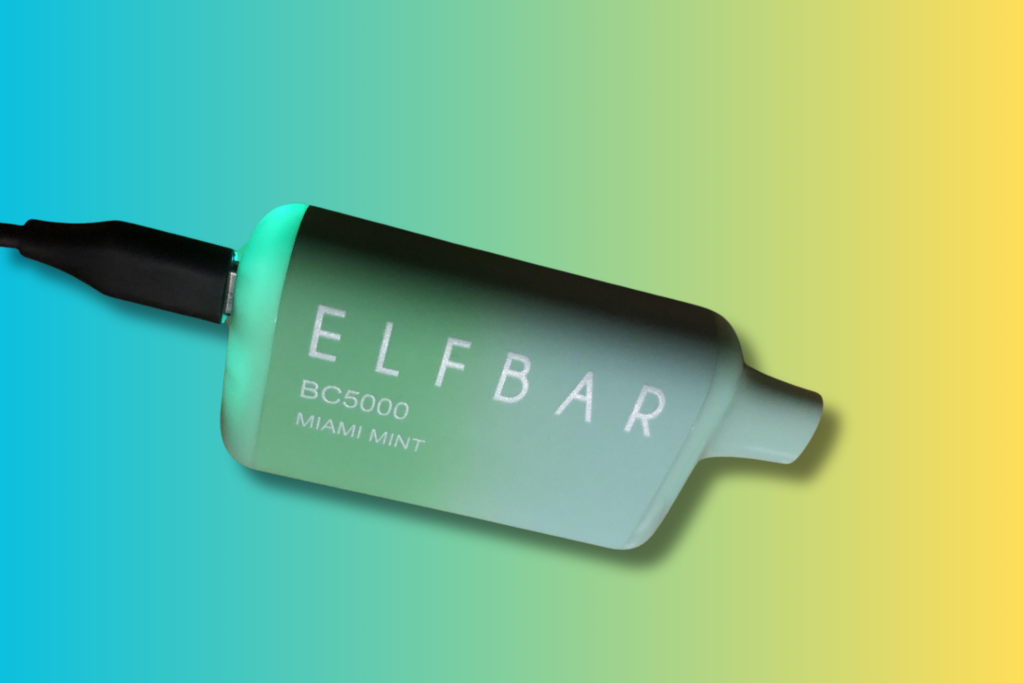
- Unpleasant Experience: The burnt taste is a sign that the cartridges or cotton within the Elf Bar or Geek Bar is overheated and damages the overall vaping experience.
Safety Tips:
- Regularly check your device for any signs of malfunction.
- Replace non-refillable cartridges or pens before the e-liquid runs out to avoid dry hits.
- Consider using a refillable device to reduce the chance of experiencing a burnt hit due to better control over e-liquid levels and heating elements.
Frequently Asked Questions
In this section, you will find precise answers to common questions about identifying a burnt disposable vape and the actions you can take.
What are the signs that a disposable vape has a burnt coil?
When your disposable vape has a burnt coil, you may notice a distinctly unpleasant, charred taste when inhaling.
Additionally, the vapor production could be significantly reduced, and the device may emit a burnt smell.
Are there health risks associated with using a burnt disposable vape?
Using a burnt disposable vape could expose you to harmful chemicals, potentially leading to irritation or damage to your respiratory system.
It is advisable to stop using the vape immediately to avoid any health risks.
What steps should I take if my disposable vape has a burnt taste?
If you detect a burnt taste, it is best to dispose of the vape safely. The burnt coil cannot be replaced. Don't put it in household trash or recycling, where the lithium battery can start a fire; use a household hazardous waste or battery collection site.
Sources
- Can electronic cigarettes help people stop smoking?, Cochrane
- E-Cigarettes, Vapes and Other ENDS Authorized by the FDA, U.S. Food and Drug Administration
- Single-use vapes banned from 1 June 2025, GOV.UK
- E-Cigarettes (Vapes), Centers for Disease Control and Prevention