What’s All the Fuss About Diacetyl?
Contents
Update (October 2026): This is an older post written for adults 21 and over who smoke. If you don't smoke or vape, don't start.
Most vapers are deeply concerned about the science involved with vaping. Although years of research have conclusively proven that smoking kills, the electronic cigarette industry is still in its infancy and it’s far too early to draw definitive conclusions about this seemingly “safer” alternative.
So far, the majority of research suggests that e-cigarettes are significantly less harmful than smoking, but there’s a lot we don’t know about the long-term impacts of inhaling vaporized nicotine.
Many e-liquid ingredients are considered safe to eat, but that is not the same as safe to inhale, and long-term inhalation has not been fully studied. One of the ingredients that has raised the most concern is diacetyl.
The primary ingredients used in e-liquid, propylene glycol (PG) and vegetable glycerin (VG), have been studied for decades and are widely used in food. Most flavorings are also approved for food use, but diacetyl has caused a serious controversy and may pose some dangerous health risks.
What Is Diacetyl & Why Is It Used?
Diacetyl is found in many of the products we consume every day. It occurs naturally in the foods we eat such as butter, vinegar and honey. It’s also produced during the fermentation process, present in alcoholic beverages and foods like cheese. The yellow-green liquid carries an intense buttery flavor and it’s commonly used as a food flavoring. It's generally recognized as safe by the FDA as a food ingredient, which says nothing about breathing it in.
In electronic cigarettes, diacetyl provides that creamy, buttery taste found in some e-liquid. Flavors such as butterscotch, custard and caramel are often produced with diacetyl, but despite being safe for ingestion, diacetyl and acetyl propionyl (also called 2,3-pentanedione) are hazardous when inhaled.
The Cause For Concern – Popcorn Lung
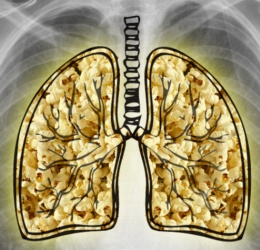
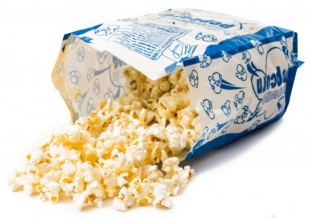 The reason diacetyl has become a health concern for vapers is a rare outbreak of the disease bronchiolitis obliterans among former workers at a microwave popcorn plant in Missouri. Also referred to as “popcorn lung,” it scars and narrows the small airways, and it cannot be cured.
In August 2000, a health department asked NIOSH to investigate. That research found that artificial butter flavorings added to popcorn caused the disease, and NIOSH says flavoring-related lung disease is caused by diacetyl. Some workers lost much of their lung function, and some won large jury awards.
In another case, a microwave popcorn customer was awarded $7.3 million in damages after contracting popcorn lung. Doctors claimed that the man developed the disease after inhaling fumes from microwaveable popcorn over almost a decade of habitual popcorn consumption.
Facts About Diacetyl & E-Cigarettes
We know of no confirmed case of popcorn lung caused by e-cigarettes, but inhaling this chemical is a known hazard for workers, and the CDC lists diacetyl among the substances e-cigarette aerosol can contain. In 2014 low levels of diacetyl were reported in one e-liquid sample during a random test of VIP e-liquid in the UK. While the flavor (butterscotch) was immediately discontinued, the news made headlines and it raised serious concerns about the use of diacetyl in e-liquid.
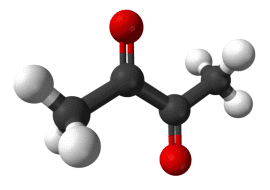 Because of the known hazards associated with diacetyl, many companies proudly proclaim their products are “diacetyl-free.” While this may be true in some cases, short of independent lab testing there’s no way to know for sure. The fact is, many e-juice companies DO NOT know if their products (or their ingredients) contain diacetyl, and some may be less than forthright, even if they know. When this was written, there were no U.S. standards for testing and no rules governing the use of diacetyl in e-liquid. Because of the growing concerns, more companies began seeking lab certifications.
Even though it may be extremely difficult to determine if an e-liquid is truly diacetyl-free, here are some facts that you should be aware of:
- The quantities of diacetyl discovered in e-cigarettes have been, on average, 100 times lower than those found in traditional tobacco smoke. Another similar chemical, acetyl propionyl, has been discovered at levels 10 times lower than traditional cigarettes.
- Smoking kills hundreds of thousands of people each year, yet cigarettes have not been clearly linked to popcorn lung. That doesn't make diacetyl safe to inhale.
In a recent study conducted by leading e-cig researcher Dr. Farsalinos of the Department of Cardiology, Onassis Cardiac Surgery Center, 159 sweet-flavored samples were evaluated from 36 manufacturers and retailers. Diacetyl or acetyl propionyl turned up in 74.2% of them. Typical exposure was about 100 times (diacetyl) and 10 times (acetyl propionyl) lower than smoking.
Even so, 47.3% of the diacetyl-containing samples and 41.5% of the acetyl propionyl samples exposed users to more than the strict NIOSH occupational safety limits. The authors called this an avoidable risk.
Should You Be Concerned?
When I wrote this, I felt the topic was overblown by the media. The evidence since then argues for more caution: these chemicals are a known workplace hazard, and many sweet e-liquids contained them at levels above occupational limits.
A 2016 Harvard study found diacetyl in 39 of 51 flavored e-cigarettes tested, and 2,3-pentanedione in 23.
With that being said, you should certainly be aware of the issue and try to make educated decisions about your e-liquid purchases. If you have the choice between a company that claims their products are diacetyl-free and one that does not, the diacetyl-free product is probably a better choice. It certainly doesn’t hurt to be precautious, but many vendors that switch to diacetyl-free ingredients often replace them with products containing acetyl propionyl, which is chemically similar to diacetyl and has had similar respiratory effects in animal studies. If you’re truly concerned, avoiding creamy, buttery and custard-like flavors is another way to reduce your exposure.
Because of the heavy scrutiny and elevated fears, more and more companies are lab testing their products and moving to diacetyl-free ingredients. In my opinion, diacetyl and acetyl propionyl should be removed from all e-liquid. Be sure to ask, but you may or may not get a straight answer…
* Companies that said at the time that their products were diacetyl-free (claims we have not verified) included: Halo, Mt. Baker Vapor, NicQuid, Space Jam, Suicide Bunny, Virgin Vapor and more.
Sources
- Flavorings and Lung Disease, CDC / NIOSH
- Evaluation of electronic cigarette liquids and aerosol for the presence of selected inhalation toxins, Nicotine & Tobacco Research (PMC)
- Flavoring Chemicals in E-Cigarettes: Diacetyl, 2,3-Pentanedione, and Acetoin in a Sample of 51 Products, Environmental Health Perspectives (PMC)
- Health Effects of Vaping, Centers for Disease Control and Prevention