
Vaping Etiquette in Public: UK Rules Every User Should Know
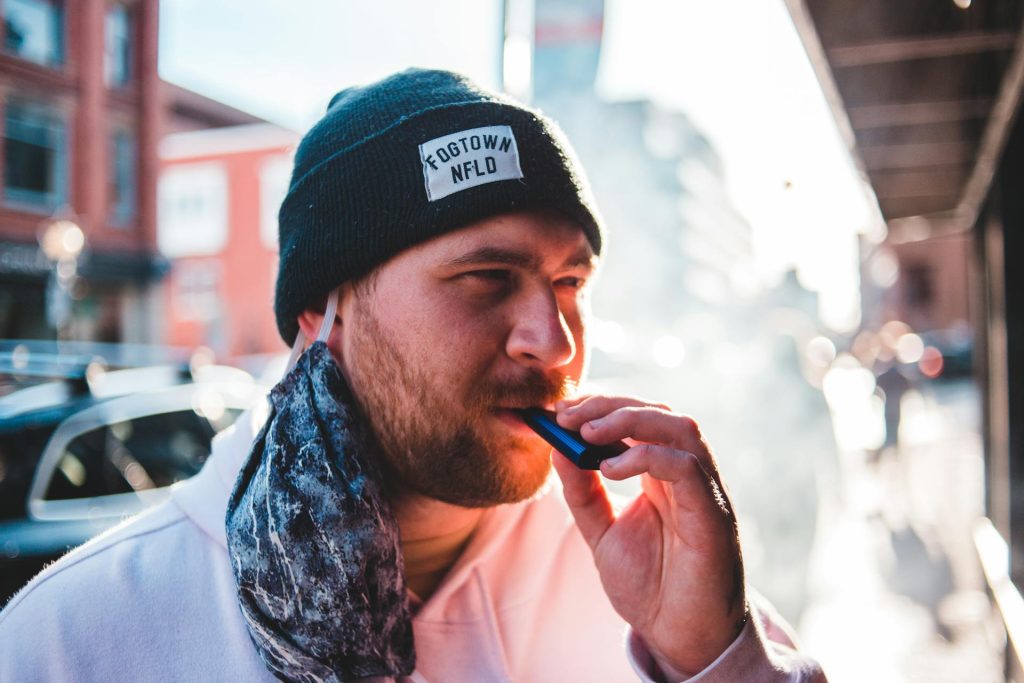
As vaping becomes increasingly common across the UK, the need for clear public etiquette has grown just as quickly. Although vaping is widely recognised as a less harmful alternative to smoking, it still requires mindful behaviour—particularly in shared spaces where public comfort, legal considerations, and social norms intersect.
Many users now rely on compact, low-vapour devices such as Modren Prefilled Pods and advanced options like the hayati 30k vape kit, which make it easier to remain discreet in public settings while still enjoying a consistent vaping experience.
For many vapers, understanding where vaping is allowed, what the law requires, and how to remain considerate of others is essential for responsible use. This guide provides a detailed and practical overview of vaping etiquette in the UK, blending legal regulations with social expectations to help users navigate public environments respectfully.
Unlike smoking, vaping is not universally restricted under the same laws. The UK government does not ban vaping in all indoor public places; however, individual businesses, local authorities, transport operators, and workplaces can enforce their own policies. This variation often confuses users, making it important to understand both the national framework and the unspoken social rules that shape public vaping behaviour.
UK Vaping Laws: What the Regulations Actually Say
The UK’s legal stance on vaping differs from smoking bans established by the Health Act 2006. Under current regulations, vaping indoors is not automatically prohibited, but property owners and public service providers have the authority to set their own rules. This means restaurants, offices, hospitals, retail stores, and transport networks can lawfully restrict or ban vaping.
Additionally, existing laws prohibit vaping in vehicles carrying minors, aligning with child-safety standards applied to smoking.
While vaping devices must comply with TPD (Tobacco Products Directive) safety and labelling requirements, public usage falls into the category of behavioural compliance rather than product regulation. Understanding this distinction helps vapers avoid misunderstandings and ensures respectful interaction with staff, fellow passengers, and the general public.
Where You Can and Cannot Vape in the UK
Public spaces vary considerably in their vaping policies. On public transport, vaping is almost universally prohibited—including buses, trains, trams, planes, and taxis. Operators such as Transport for London, major rail networks, and airlines enforce strict no-vaping rules for safety, comfort, and uniformity.
In restaurants, cafés, and pubs, the rules depend on the establishment, and users often choose lower-output devices or e-liquids such as nicotine salt vape juice to remain unobtrusive when vaping is permitted in designated areas.
Hospitals, clinics, and healthcare facilities generally impose complete bans on vaping to protect vulnerable individuals and maintain medical hygiene standards. Retail environments, shopping centres, and entertainment venues typically restrict indoor vaping, but designated outdoor areas may be available. When in doubt, users should look for signage or ask staff for clarification.
Outdoor Vaping: Social Norms and Considerate Behaviour
Even when vaping outdoors is permitted, courtesy remains essential. Large vapour clouds, strong aromas, or exhaled vapour directed toward others can cause discomfort, especially in crowded areas. Maintaining an appropriate distance from others—particularly families, elderly individuals, and those with respiratory sensitivities—is a respectful practice.
Wind direction also matters; blowing vapour away from people helps maintain a positive public perception of vaping. These considerations mirror general rules of social courtesy, ensuring that vaping remains unobtrusive in shared spaces.
Device Type and Cloud Control in Public
The type of device used in public significantly influences etiquette expectations. For example, sub-ohm kits designed for direct-to-lung (DTL) vaping produce large clouds that may be intrusive in enclosed or busy environments. In contrast, mouth-to-lung (MTL) pod kits and regulated devices allow for more controlled vapour output, making them better suited for public or shared spaces.
Adjustable airflow and power settings help users reduce vapour volume when necessary. Many modern kits feature low-wattage options that support responsible vaping in public spaces without drawing unwanted attention or creating discomfort for others.
Vaping in Cars, Taxis, and Ride-Sharing Services
UK law prohibits vaping in vehicles with children under 18, aligning with the smoking ban to protect minors. In taxis and ride-sharing services such as Uber, drivers may set their own rules, and most prohibit vaping to avoid passenger disputes, lingering scents, and potential visibility issues caused by vapour.
Respecting these policies prevents conflicts and ensures compliance with service guidelines.
Workplace Etiquette: Professionalism and Shared Environments
Workplaces are increasingly adopting structured vaping policies. Common guidelines include restricting vaping to designated outdoor areas, prohibiting vaping at desks, and avoiding break-room vaping due to shared airspace. Even in workplaces that allow vaping in certain areas, discretion remains essential to maintain professionalism and avoid discomfort among non-vaping colleagues.
Understanding Public Perception and Vapour Misconceptions
While research indicates that second-hand vapour poses minimal risk compared to tobacco smoke, many people are unaware of these distinctions. Public discomfort often arises from misconceptions, past experiences, or sensitivity to scents. Practising considerate vaping helps counter negative perceptions and supports a more positive image of the vaping community.
Conclusion
Vaping etiquette in the UK blends legal awareness with personal responsibility. By understanding where vaping is permitted, adjusting device settings to minimise vapour output, maintaining distance from others, and respecting individual and business policies, users can enjoy their devices without inconveniencing the public.
Responsible vaping not only enhances the experience for everyone but also helps sustain a positive cultural acceptance of vaping across the UK.


