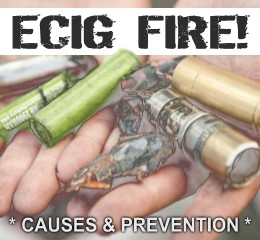
E-Cig Fires & Vape Explosions: Causes / Prevention
Contents
Stories about e-cig fires and vape explosions have been making headlines for years. Every few months or so a new story hits the airwaves warning people about the danger of an e-cigarette catching on fire or, worse, exploding.
The root cause is the lithium-ion battery. Many incidents trace back to avoidable handling mistakes, but cheap or faulty batteries and devices play a part too.
Videos posted on Youtube and shared on social media help contribute to the public’s perception that vaping products are unsafe. Pictures of serious injuries from e-cig explosions are a fair reason for concern. Most of the risk can be reduced with careful battery handling.
How Dangerous Are They?
Fires and explosions are uncommon compared with how many people vape, but they do happen. The U.S. Fire Administration found 195 e-cigarette fires and explosions reported in the United States between 2009 and 2016, counted from media reports.
Those incidents caused 133 injuries, 38 of them severe. Sixty-one happened while the device or spare batteries were in a pocket.
The same report notes that the tube shape of many e-cigs can make them act like "flaming rockets" when a battery fails, more so than other lithium-ion products. So the risk is real, even if it is rare.
Understanding Vape Explosions
When you press the button on any e-cigarette or vape mod, you complete a circuit and the battery sends power to the coil. If the circuit has too little resistance (a short or a very low-ohm build), the battery is forced to deliver more current than it can safely handle.
The cell then heats up and can go into thermal runaway, venting hot gas or catching fire. Any metal object touching both battery terminals can cause the same short circuit.
Most regulated vaping devices have built-in protection against short circuits, reverse polarity and overheating. That protection can’t make up for damaged cells, the wrong charger or loose batteries in a pocket.
Mistakes That Lead to Vape Fires
Common sense and following a few simple rules will go a long way to protect you from the highly unlikely event of a vape fire or e-cig explosion. Most reported incidents involve a handful of common mistakes.
Carrying Loose Batteries
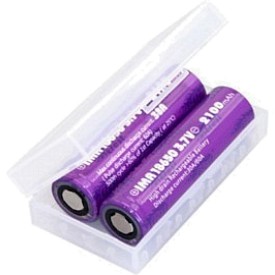 Carrying loose batteries is a potential fire hazard and a HUGE NO-NO. The easiest way to cause a battery to overheat and catch fire is to nonchalantly toss them into your pocket or purse. If a battery is left unprotected, anything metal (like keys or loose change) has the potential to make contact between the battery terminals and cause a short circuit, overheating and fire.
Always carry spare batteries in a plastic battery case, away from metal objects.
Using the Wrong Batteries
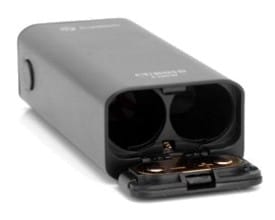 For people who use vape mods with replaceable 18650, 26650, 20700 or 21700 cells, it’s important to choose batteries that are compatible with your device. Amp ratings vary and the specs provided by manufacturers are often confusing or exaggerated.
A battery marked 40A may only handle that in short pulses, not continuously. If your build draws more current than the cell’s continuous rating, the cell overheats and can vent, catch fire or explode. This matters most on mechanical mods.
Regulated devices limit the current they draw; mechanical mods do not. A mech mod has no short-circuit protection, so you need to understand Ohm’s Law and your battery’s limits before you use a mechanical mod.
Check every build with an ohm meter, and keep the current draw (volts divided by ohms) well under the cell’s continuous rating. On mods that run two cells in series, use a matched pair: same brand, model, age and charge level, charged and replaced together.
In either case, make sure you know the limits of your device and be sure that the amp rating provided for your battery is the “continuous discharge rate” and not the “max”, “pulse” or “peak” rate – which is only safe in short bursts. If these specs aren’t clearly labeled, choose another battery. Replace any cell with a torn or damaged wrap, dents or signs of water damage.
Improper Use of Hybrid Mech Mods
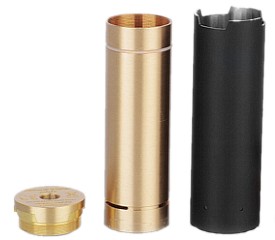 In addition to choosing the correct batteries, another issue that has caused many of the widely-reported vape explosions is the improper use of a specific type of mechanical mod – referred to as a “hybrid”. In a hybrid, rather than using a metal contact between the device and the battery, the terminal connects directly to the atomizer pin when activated. This improves conductivity, but it’s especially dangerous with certain 510 connections.
If the atomizer’s 510 pin sits flush or too low, the positive pin can touch the negative side and short the battery directly. Don’t use most sub-ohm tanks (or any atty with a short 510 pin) on a hybrid mechanical mod. Unless you’re an expert, there’s really no need to use one.
Improper Charging
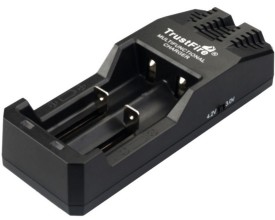 Charging was involved in 48 of the 195 incidents in the U.S. Fire Administration report, so it deserves care. Using a charger not designed for your device is risky, and the FDA advises against charging a vape with a phone or tablet charger.
Stick to the charger that came with your device. For external batteries, use a dedicated lithium-ion charger with overcharge and reverse polarity protection.
Counterfeit / Cheap Batteries
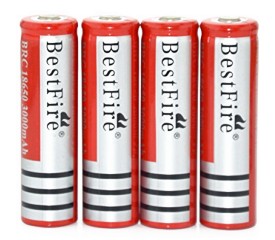 Some sellers pass off fake or rewrapped batteries as name-brand cells. Low-amp batteries that are wrapped to copy higher amp products may not provide sufficient amperage to support your device and atomizer combination… leading to overheating and possibly a vape fire.
The most popular brands are vulnerable to imitations; and unfortunately, many counterfeit batteries display all of the same branding of the original product. It’s often difficult to spot a fake, so buying from reputable suppliers is vital.
Knowingly using cheap, non-branded e-cig batteries can also be dangerous since they may not meet the same quality standards.
Preventing E-Cig Fires & Explosions
Now that you know some of the most common causes for e-cig and vape fires, preventing them should be easy. Here are some common sense tips:
Handle Batteries with Care – Protect loose batteries from making contact with each other by purchasing inexpensive plastic cases or silicone sleeves. Keep batteries clean and dry, and wipe the battery terminal when you add liquid or remove the atomizer. Never mix old and new batteries or different brands, and replace damaged or wet ones.
Charge and Store Properly – Charge and store your vaporizer in a cool, dry place – away from water and excess heat. Keep it out of direct sunlight and hot or freezing cars. Charge on a clean, flat surface away from anything flammable, where you can see it, and don’t charge overnight or leave a charging battery unattended.
Use the Correct Batteries and Charger – Choosing the right battery for your device will prevent it from overheating and keep your vaporizer working more efficiently. Use only the batteries your device’s maker recommends, and check the manual if you’re unsure. Careful consideration is even more important when using mechanical mods.
Try to stick with the charger that came with your device. If you must use an aftermarket charger, be sure it’s compatible. The best chargers have built-in safety features and digital readouts to show when batteries are fully charged.
Buy Quality Batteries – To be safe and lower the chance of experiencing an e-cig fire or vape explosion, buy from reputable vaping suppliers who guarantee original products and don’t sell knockoffs. Avoid using cheap batteries sold by no-name resellers online. If a deal seems too good to be true, it probably is.
E-cigarette fires are rare, but the precautions are simple: protect spare cells, use the right batteries and charger, and charge where you can watch. The FDA’s vape battery safety tips cover the rest, including how to report an incident.
Sources
- Tips to Help Avoid Vape Battery Fires or Explosions, U.S. Food and Drug Administration
- Electronic Cigarette Fires and Explosions in the United States 2009 - 2016, U.S. Fire Administration