
Why Is My Elf Bar Not Lighting Up When Charging: Common Causes and Solutions
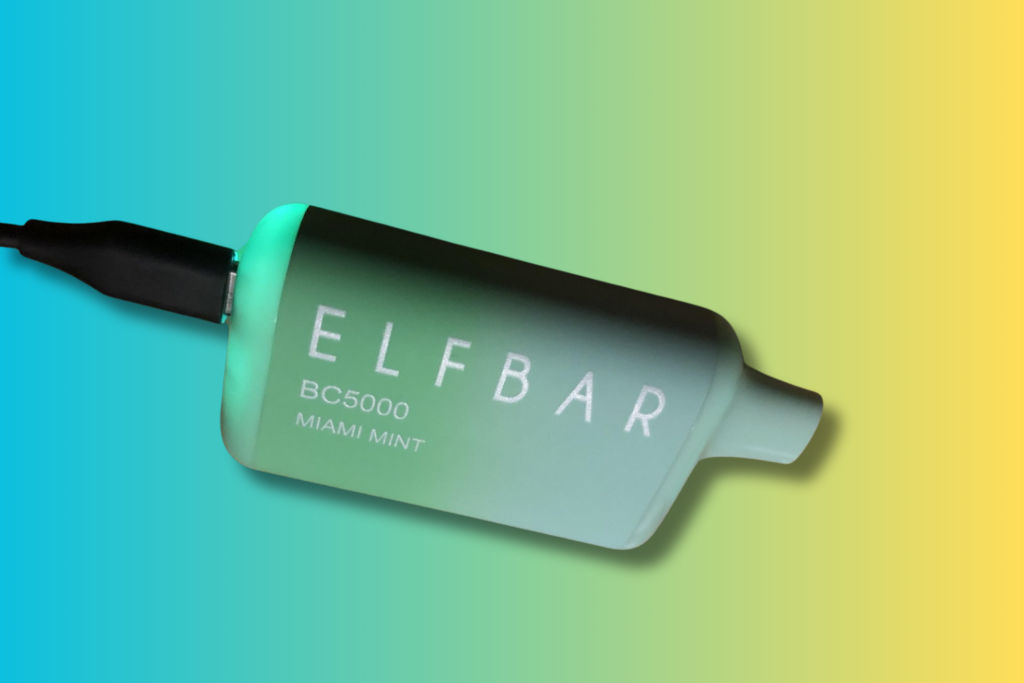
Your Elf Bar should light up when you plug it in to charge, but sometimes it doesn’t. This can be frustrating when you’re not sure if your device is charging or broken.
The most common reasons an Elf Bar won’t light up when charging are a dead battery that needs time to respond, a faulty charging cable or adapter, dirt blocking the charging port, or a damaged device. Most of these problems are easy to fix at home with simple cleaning or trying a different cable.
This guide walks through each possible cause and explains how to fix it. It also covers when a device might be beyond repair and what steps to take next.
Key Takeaways
- An Elf Bar that won’t light up during charging usually has a connection problem, dirty port, or faulty cable
- Most charging issues can be fixed by cleaning the port, trying a different cable, or waiting a few minutes for a completely dead battery to respond
- If basic troubleshooting doesn’t work after multiple attempts, the device may have internal damage and need replacement
Core Reasons Your Elf Bar Is Not Lighting Up When Charging
When an Elf Bar fails to show its charging light, the problem typically stems from issues with the charging cable, a dirty or damaged port, or internal device problems. These issues can prevent the charging indicator from activating even when the device is connected to power.
Understanding the Elf Bar Charging Indicator
The Elf Bar light serves as the primary way to know if the device is charging properly. Most Elf Bar models display a steady or blinking light at the bottom of the device when connected to a power source. The light usually glows red, blue, or white, depending on the model.
When the light doesn’t turn on at all, it signals that the device isn’t receiving power or recognizing the charging connection. Some users mistake a very dim light for no light at all, so checking in a darker room can help confirm if any illumination is present.
The charging indicator should activate within seconds of plugging in the device. If nothing happens after 10-15 seconds, the connection has failed, or the device has a deeper issue.
Faulty Charging Cable or Power Source
A damaged or incompatible charging cable is one of the most common reasons disposable vapes fail to charge. The USB-C or micro-USB cable may have internal wire damage that prevents power transfer even though it appears intact on the outside.
Testing the cable with another device can quickly reveal if it’s the source of the problem. Many users also try using a cable that worked with a different vaping device, but not all cables deliver the same power output.
Common cable and power issues include:
- Frayed or bent connectors
- Cables designed for data transfer only, not charging
- Wall adapters providing incorrect voltage
- USB ports on computers that don’t supply enough power
The power source matters just as much as the cable. A wall adapter should output 5V at 1A for safe Elf Bar charging. Higher voltage sources can damage the device, while lower power outputs won’t charge it at all.
Loose Connection or Dirty Charging Port
Debris inside the charging port blocks the metal contacts from making a proper connection with the cable. Pocket lint, dust, and vape residue commonly accumulate in the port opening over time. This prevents the Elf Bar from detecting that a cable has been inserted.
A loose connection can also occur when the charging port becomes damaged from repeated plugging and unplugging. The metal pins inside may bend, or the port housing might crack, creating gaps that prevent secure contact.
Gently cleaning the port with a dry toothpick or compressed air can remove visible debris. Users should avoid metal objects or liquids that could damage the internal components. After cleaning, the cable should fit snugly without wobbling.
Battery or Device Malfunction
Internal battery failure prevents the Elf Bar from accepting a charge or powering the indicator light. Disposable vapes have built-in batteries that can fail due to manufacturing defects or damage from drops and impacts. When the battery dies completely, no amount of charging will revive it.
Manufacturing defects affect a small percentage of vaping devices. These defects might include disconnected internal wiring, faulty circuit boards, or improperly installed batteries that never worked correctly from the start.
Physical damage isn’t always visible from the outside. A hard drop can disconnect internal components or crack the battery without breaking the outer casing. Water exposure also damages the electronics even if the device appears dry.
Most Elf Bar devices aren’t designed to be opened or repaired. When internal components fail, the entire device needs replacement. Users who purchased recently defective units should contact the retailer about warranty or exchange options.
Advanced Troubleshooting and Prevention for Charging Issues
Understanding the difference between normal charging behavior and actual device failure helps users avoid unnecessary replacements. Environmental conditions and component quality directly affect how disposable vape devices charge and function.
Signs of Charging vs. Device Failure
A properly charging Elf Bar typically shows a steady or pulsing light during the charging process. The light usually turns off or changes color when the battery reaches full capacity. Most devices complete charging within 30 to 60 minutes.
Normal Charging Indicators:
- Steady red, blue, or white light while plugged in
- Light turns off or changes to green when fully charged
- Device feels slightly warm (not hot) during charging
- Light responds when cable is adjusted slightly
Device failure shows different signs. No light appears even after trying multiple cables and power sources. The device may feel unusually hot or emit strange odors. Some failed devices show a rapidly blinking light that doesn’t change or stop.
Users should test the device with a known working cable and power adapter before assuming failure. A complete lack of response after proper troubleshooting usually indicates internal damage.
Environmental Factors and Vaping Industry Considerations
Temperature extremes damage battery performance in vaping devices. Cold environments below 32°F can prevent batteries from accepting a charge. Heat above 95°F degrades battery cells and affects the atomizer function.
The vaping industry has faced quality control challenges with rapid disposable vape production. Some manufacturers cut costs by using lower-grade charging circuits. These cheaper components fail more frequently than devices from established brands.
Moisture exposure shorts out charging ports quickly. Users who vape outdoors or in humid conditions see more charging problems. The device should stay dry and be stored at room temperature between uses.
Battery capacity decreases naturally with each charge cycle. Most disposable vape batteries handle 300 to 500 puffs before performance drops noticeably.
Role of Atomizer and Internal Components in Charging Behavior
The atomizer connects to the battery system and affects overall power draw. A clogged or damaged atomizer creates resistance that impacts charging efficiency. When the atomizer fails, the device may refuse to charge as a safety measure.
Internal wiring connects the charging port, battery, and atomizer in a closed circuit. Damage to any connection point stops the charging light from activating. Heavy use causes solder joints to weaken over time.
Key Internal Components:
- Battery cell: Stores power and supplies energy to heat the nicotine liquid
- Circuit board: Regulates charging speed and protects against overcharging
- Atomizer coil: Draws power from battery during use
- LED indicator: Connects directly to charging circuit
Manufacturing defects in these components cause premature failure. The circuit board may have cold solder joints that break during shipping. Poor-quality batteries lose capacity after just a few charging cycles.


